Exploring how psychology influences decision-making in gambling
The Role of Cognitive Biases
Cognitive biases play a significant role in shaping how individuals make decisions in gambling. These biases often lead players to make irrational choices, as they can distort perception and judgment. For instance, the illusion of control bias can make gamblers believe they have more influence over the outcome than they actually do. This false sense of agency often drives them to take greater risks while exploring crypto gambling sites.
Another common cognitive bias in gambling is the gambler’s fallacy, where individuals assume that past events can influence future outcomes in random games. For example, someone might believe that after a series of losses on a roulette wheel, a win is «due.» Such thinking can lead to poor decision-making and increased losses, highlighting how psychological factors intertwine with the gambling experience.
Emotional Influences on Gambling Choices
Emotions play a critical role in gambling behavior. Joy, excitement, and even frustration can heavily influence a gambler’s decisions. High-stakes environments often trigger strong emotional responses, which can cloud judgment. For instance, a player who wins a significant amount may feel euphoric, leading them to make impulsive bets in an attempt to recapture that feeling.
Conversely, negative emotions such as anxiety or depression can lead to chasing losses. A gambler feeling the weight of their previous losses may become desperate and engage in riskier bets in the hope of regaining what they lost. Understanding these emotional triggers is essential for recognizing how they can distort rational decision-making in gambling.
The Impact of Social Influence
Social dynamics significantly affect decision-making in gambling. Peer pressure and group behavior can lead individuals to make choices they might not consider if gambling alone. When in a group, a gambler may feel encouraged to take higher risks or participate in more games due to the excitement and social validation from others.
Additionally, the presence of others can amplify feelings of competition and performance, pushing individuals to gamble beyond their means. The social context can create an environment where risky behaviors seem normalized, ultimately influencing individual decision-making patterns in gambling scenarios.
Understanding Risk and Reward
Psychological perceptions of risk and reward are crucial in gambling. Players often assess the potential rewards against the risks they face, but this evaluation can be skewed by psychological factors. High-risk games may seem more appealing if the potential reward is perceived as substantial, despite the actual odds being unfavorable.
This skewed perception can lead to a cycle of risky behavior, as gamblers chase after the thrill of winning. They may ignore the underlying probabilities and focus instead on the allure of a jackpot. Understanding how risk and reward are psychologically interpreted can shed light on why individuals make certain decisions while gambling.
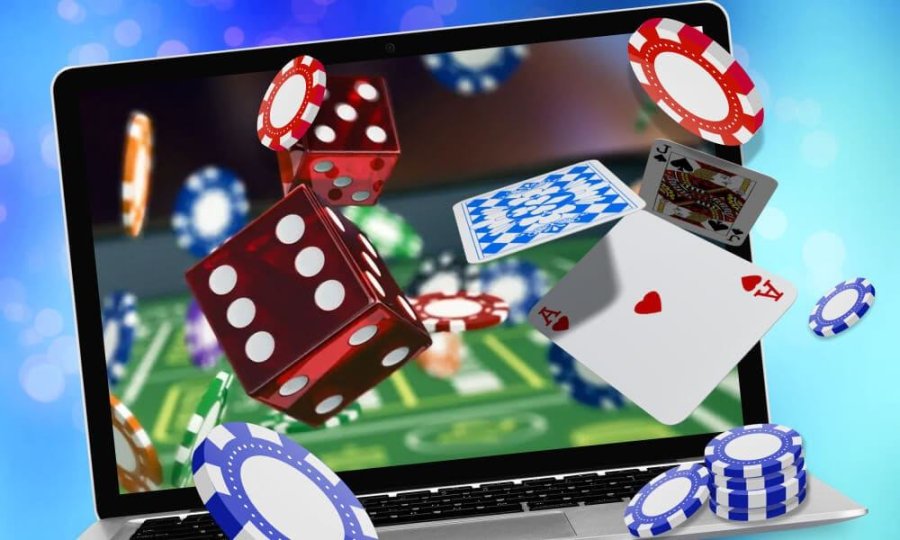

Website Insights and Resources
Postlight.com serves as an excellent resource for those interested in exploring the intersection of technology and user engagement. By providing tools and insights, the platform helps businesses understand how to enhance their digital experiences. The understanding of psychology in user decisions, similar to gambling behavior, can empower organizations to develop more engaging and effective platforms.
With a focus on creativity and efficiency, Postlight’s offerings aim to transform how businesses interact with their audiences, making it an invaluable asset for anyone looking to improve their digital presence. Recognizing the psychological underpinnings of decision-making, whether in gambling or digital engagement, is key to driving positive outcomes.
Your cup will be delivered to the author. A cup of coffee is not much, but it warms and gives strength to create further. You can choose to treat a author.


A cup of coffee with PitStop for 50 rubles.

A cup of coffee with a gas station for 100 rubles.

A cup of coffee with a Cafe for 150 rubles.

