
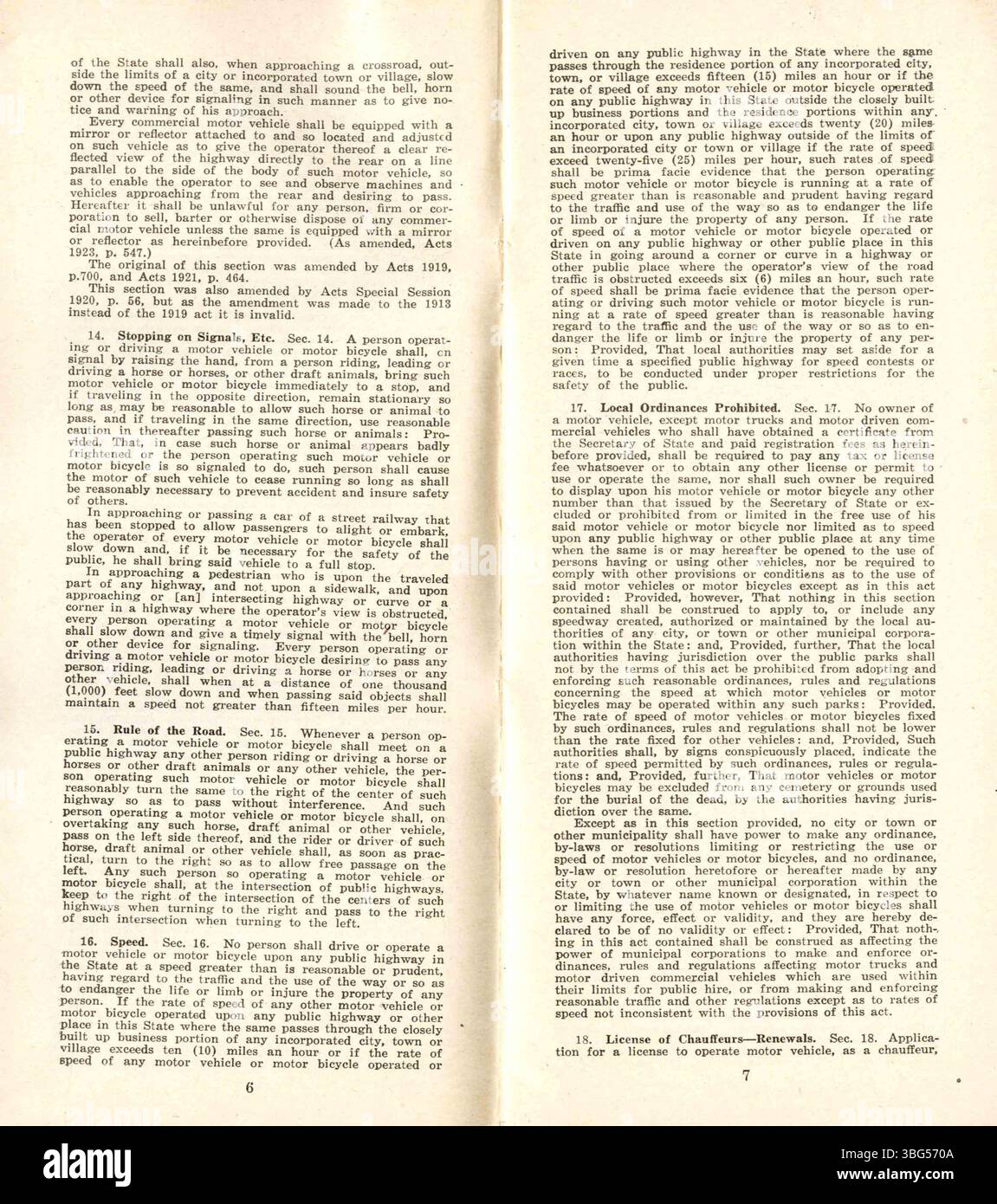
In an increasingly interconnected world, governments often find it necessary to impose restrictions on trade and transactions with certain countries. General licenses serve as an essential tool in these regulatory frameworks. For a deep dive into a specific application, check out this information on general licenses for Iran.
What Are General Licenses?
General licenses are permissions granted by governmental bodies that allow for specific activities that would otherwise be restricted or prohibited under legal frameworks, often concerning sanctions or regulations. They streamline compliance for businesses and individuals by clarifying what is permissible without needing to apply for an individual license for each transaction or activity. These licenses can be particularly relevant in the context of international relations and economic sanctions.

The Purpose of General Licenses
The primary aim of general licenses is to facilitate legitimate activities while maintaining oversight and control over restricted transactions. They enable a balanced approach, allowing the government to uphold its policy goals while minimizing the impact on lawful commerce and humanitarian activities. General licenses can pertain to various sectors, including humanitarian aid, agricultural exports, and the provision of necessary services.
Types of General Licenses
General licenses can vary greatly in terms of their scope and application. Here are some common types:
- Humanitarian Licenses: These permits allow for the provision of aid and assistance to vulnerable populations, particularly in regions affected by conflict or natural disasters.
- Educational Licenses: These licenses may permit the exchange of educational materials or services, fostering academic collaboration even amidst sanctions.
- Financial Licenses: Some general licenses allow for specified financial transactions, enabling businesses to operate within certain guidelines despite restrictions.
The Components of a General License
When examining a general license, there are several key components to consider:
- Scope: This defines what activities are covered under the license. It is essential to understand the limitations and expandability of these activities.
- Duration: General licenses may specify a time frame during which they are valid. Understanding the duration is critical to ensure compliance.
- Geographic Limitations: Certain licenses may apply only to specific regions or countries, making geographic awareness vital for individuals and businesses.
- Conditions: Many general licenses come with conditions that must be adhered to in order to maintain compliance. Violations can often lead to significant penalties.
Obtaining Information on General Licenses
Businesses and individuals should be proactive about understanding general licenses pertinent to their activities. This encompasses regular checks on governmental websites, subscribing to industry updates, and consulting with legal experts when necessary. Ensuring compliance is crucial, as violations can lead to civil and criminal penalties, as well as damage to reputational integrity.
How to Effectively Utilize General Licenses
To maximize the benefits of general licenses, consider the following strategies:
- Stay Informed: Keeping up-to-date with changes in regulations and available licenses through reliable news sources and government bulletins is key.
- Document Everything: Maintain clear records of all transactions that fall under the general license, including communications, contracts, and compliance records.
- Engage Experts: Consulting with legal experts who specialize in international trade law can provide invaluable insights and help navigate complex regulations.
- Train Staff: Ensure that team members are educated on compliance procedures, helping to prevent unintentional violations.
Case Studies: General Licenses in Action
Examining real-world instances of general licenses can shed light on their practical applications and consequences:
Case Study 1: Humanitarian Aid to Conflict Zones
In regions affected by prolonged conflict, general licenses have been integral for organizations delivering humanitarian aid. Such licenses typically enable NGOs to purchase necessary supplies and facilitate the delivery of help without running afoul of sanctions. For example, during the Syrian civil war, numerous organizations utilized these licenses to ensure food, medical supplies, and education materials reached those in desperate need.
Case Study 2: Agricultural Exports
In another example, certain agricultural products may be eligible for export under general licenses, even to countries facing sanctions. This ensures that people in those countries have access to essential food items, while compliance with sanctions is still maintained. For instance, agricultural exports to North Korea were permitted under specific circumstances, demonstrating the balance managed through general licensing.
Potential Challenges with General Licenses
While general licenses can simplify compliance, they also come with challenges. Misunderstandings regarding the scope of a license can lead to violations, whether intentional or unintentional. Additionally, changes in international relations can prompt sudden shifts in policy, making licenses potentially expire or become obsolete without warning.
The Future of General Licenses
As international regulations evolve, so too will the framework surrounding general licenses. The need for adaptability will be paramount, particularly for businesses operating in dynamic and politically sensitive environments. Organizations must remain vigilant and prepared to adjust their practices in accordance with emerging laws and requirements.
Conclusion
General licenses play a critical role in facilitating legitimate activities in a complex global landscape marked by sanctions and trade restrictions. Understanding their nuances, implications, and a


pplications is vital for anyone operating in international markets. By staying informed, engaging experts, and adhering to compliance principles, individuals and organizations can leverage general licenses to their advantage while minimizing legal risks.

Your cup will be delivered to the author. A cup of coffee is not much, but it warms and gives strength to create further. You can choose to treat a author.


A cup of coffee with PitStop for 50 rubles.

A cup of coffee with a gas station for 100 rubles.

A cup of coffee with a Cafe for 150 rubles.

