



The Future of Gambling Contracts: Revolutionizing the Gaming Industry
The gambling industry has undergone significant transformations over the centuries, and with the advent of technology, it stands on the brink of another substantial shift. The emergence of cryptocurrency and blockchain technology has introduced innovative methodologies that promise to revolutionize gambling contracts. This article will explore the future of gambling contracts, the role of smart contracts, and how these advancements will impact both players and operators. For those looking to delve deeper into this evolving landscape, visit Future of Gambling Contracts in On-Chain Courts https://bitfortunebet.com/app/ to learn more about modern gambling platforms.
Understanding Gambling Contracts
Gambling contracts define the terms under which gambling occurs. They establish the rules of the game, define the odds, and stipulate the payouts. Traditionally, these contracts have been managed by casinos, bookkeepers, and other centralized entities that hold significant authority over the gambling process. However, this centralized control raises issues of transparency, trust, and fairness. The introduction of blockchain technology aims to address these concerns.
The Role of Blockchain Technology
Blockchain technology serves as a decentralized ledger that records all transactions across multiple computers, ensuring that the data cannot be altered retroactively. This characteristic makes blockchain an ideal solution for the gambling industry, where trust and security are paramount. By utilizing blockchain, gambling contracts can become more transparent. Players can verify the terms of the contract and the integrity of the gaming environment without relying on a central authority.
Smart Contracts: The Game Changer
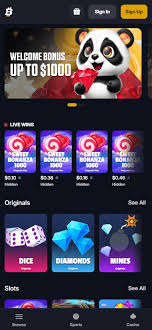
Smart contracts are self-executing contracts with the agreement directly written into code. They operate on blockchain platforms and automatically enforce the terms of the contract when predetermined conditions are met. In gambling, smart contracts can automate various processes, including payouts and dispute resolution, significantly reducing the need for human intervention.
For instance, in a blockchain-based gambling scenario, a player could place a bet on a game through a smart contract. Once the game’s outcome is known, the smart contract automatically calculates the payout and disburses the winnings directly to the player’s wallet. This process minimizes the risk of fraud, as players can trust that the rules will be enforced without bias or error.
Decentralized Gambling Platforms
With the rise of blockchain technology and smart contracts, decentralized gambling platforms are emerging. These platforms allow players to engage in gambling activities without traditional intermediaries, thereby reducing fees and increasing efficiency. Moreover, users retain full control over their funds, enhancing the overall gambling experience.
Since transactions on these platforms are recorded on the blockchain, they offer unparalleled transparency. Players can track their bets, winnings, and losses, leading to a more informed gambling decision-making process. This increased transparency will likely attract more users, creating a sustainable ecosystem built on trust and fairness.
Challenges to Adoption
Despite the undeniable benefits, the transition to blockchain-based gambling contracts is not without challenges. One significant obstacle is regulatory compliance. As governments across the globe grapple with how to regulate cryptocurrencies and blockchain technology, gambling operators may face ambiguity surrounding the legality of such contracts.
Additionally, technological barriers could hinder adoption. Many players may lack familiarity with blockchain technology, leading to apprehension in utilizing these platforms. The learning curve associated with platforms leveraging smart contracts must be addressed through user-friendly interfaces and educational resources.
The Future Landscape of Gambling Contracts
As the gambling industry evolves, the integration of blockchain and smart contracts will likely create new business models and revenue streams. Operators may offer innovative products that cater to players’ desires for more control and oversight. Moreover, the introduction of decentralized finance (DeFi) concepts in gambling could enhance liquidity and enable innovative betting solutions.
Furthermore, as the industry embraces technology, we can expect a rise in eSports betting and online gambling experiences that blend traditional gaming with virtual and augmented reality. These developments will be underpinned by smart contracts, allowing for seamless, secure transactions that align with the preferences of modern players.
Conclusion
In conclusion, the future of gambling contracts looks promising with the integration of blockchain technology and smart contracts. These advancements will lead to a more transparent, secure, and user-friendly gambling environment. As the industry continues to adapt to these changes, stakeholders, including players and operators, will need to navigate regulatory challenges and technological barriers. Ultimately, the evolution of gambling contracts promises to redefine how we engage with games of chance, ensuring a fairer and more exhilarating experience for everyone involved.
Your cup will be delivered to the author. A cup of coffee is not much, but it warms and gives strength to create further. You can choose to treat a author.

A cup of coffee with PitStop for 50 rubles.

A cup of coffee with a gas station for 100 rubles.

A cup of coffee with a Cafe for 150 rubles.


