


Myths about gambling uncovering the truth behind popular misconceptions
Understanding the Nature of Gambling
Gambling is often perceived as a straightforward activity driven by luck. However, it is essential to understand that various psychological factors influence players’ decisions. Many people believe that winning is solely a matter of chance, but in reality, cognitive biases and emotional states can heavily impact how individuals approach gambling. The excitement and anticipation of a potential win can cloud judgment, leading to irrational choices. As players explore different options, they might stumble upon engaging offerings like bitcoin casinos, but these only add to the complex decision-making process.
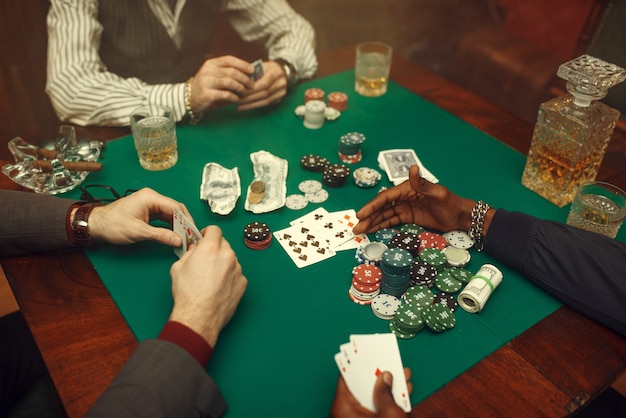
Furthermore, the environment in which gambling takes place can also play a significant role. For instance, players in a casino might feel an adrenaline rush from the lights and sounds, which can skew their perception of risk and reward. Understanding these psychological aspects reveals that gambling is not just about luck but is intertwined with complex mental processes.
Debunking the “Gambler’s Fallacy”
One prevalent misconception is the “Gambler’s Fallacy,” which suggests that past outcomes affect future probabilities. Many gamblers mistakenly believe that after a series of losses, they are due for a win. This belief can lead to poor decision-making, as it ignores the independence of each event in games of chance. Each flip of a coin or roll of a die is an isolated occurrence, and previous outcomes do not influence what will happen next.
This misconception can drive players to chase losses, further entrenching them in a cycle of gambling that can lead to significant financial strain. Understanding that each bet is independent can help individuals make more rational choices, rather than being swayed by misconceptions about luck and probability.
The Myth of Skill-Based Gambling
Another common myth is that skill can significantly alter the outcome in games of chance. While certain games, such as poker, do involve an element of skill, many gambling activities are purely luck-based. This misconception can lead players to overestimate their abilities, believing they can consistently win due to skill rather than chance. The reality is that even skilled players face inevitable losses.
In the realm of gambling, it is crucial to recognize the limits of skill. While learning strategies can improve outcomes in certain contexts, it is vital to approach gambling with the understanding that luck plays a dominant role. This awareness can lead to more responsible gambling habits and a better grasp of the risks involved.
Understanding Gambling Addiction
One of the gravest misconceptions about gambling is that addiction is merely a lack of self-control. In reality, gambling addiction is a complex psychological disorder that can affect anyone, regardless of their financial situation or personal background. Factors such as mental health, emotional distress, and environmental influences can contribute to the development of this addiction.
It’s crucial to recognize that those struggling with gambling addiction often require support and understanding rather than judgment. Treatment options are available, and raising awareness about the psychological elements of gambling can help destigmatize the issue and encourage those in need to seek help.
The Role of Tori Spelling’s Website in Gambling Awareness
While Tori Spelling’s website is currently experiencing technical difficulties, it aims to provide engaging content that addresses various topics, including the psychological aspects of gambling. When operational, the site seeks to shed light on different misconceptions surrounding gambling and promote responsible gambling habits.
Visitors to the website will find valuable insights and information that help demystify gambling. By fostering a better understanding of the myths and realities, the platform plays an essential role in promoting awareness and encouraging responsible gaming practices among its audience.
Your cup will be delivered to the author. A cup of coffee is not much, but it warms and gives strength to create further. You can choose to treat a author.

A cup of coffee with PitStop for 50 rubles.

A cup of coffee with a gas station for 100 rubles.

A cup of coffee with a Cafe for 150 rubles.


