


The intriguing evolution of casinos throughout history
Origins of Gambling and Early Casinos
The concept of gambling dates back thousands of years, with evidence found in ancient civilizations such as China, Egypt, and Rome. The earliest forms of gambling involved simple games of chance and betting, often centered around popular events or activities. These rudimentary games laid the groundwork for what would eventually evolve into the sophisticated casinos we know today. Additionally, those interested in learning more might find value in resources about online poker games and their place in gambling history.
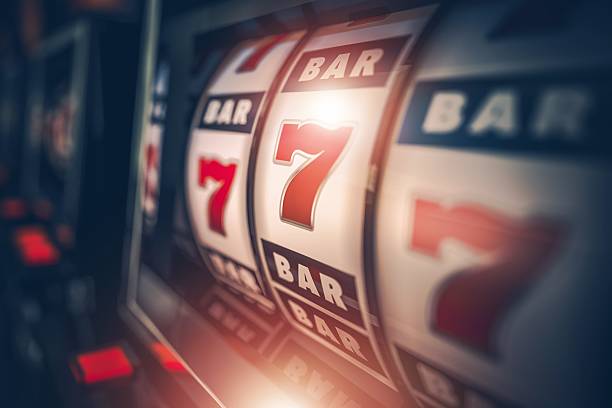
As societies developed, so did the complexity of gambling. The first official casinos began to emerge in the 17th century in Italy, with establishments like the Ridotto in Venice, which offered a regulated environment for gambling. These early casinos catered to the aristocracy, combining social interaction with the thrill of chance, setting a precedent for the glamorous establishments that would follow.
The Rise of Casinos in Europe
In the 19th century, casinos flourished across Europe, particularly in France and Germany. The introduction of games like roulette and baccarat became synonymous with luxury and opulence. These venues not only served as gambling houses but also as social clubs where the wealthy would gather, creating an atmosphere of exclusivity and sophistication.
The establishment of Monte Carlo as a premier gambling destination in the mid-1800s marked a significant milestone in casino history. It drew tourists from around the world and established a model that would influence future casino developments globally. This period showcased the ability of casinos to blend entertainment with high-stakes gambling, further cementing their place in popular culture.
Casinos in America: From Wild West to Modern Day
In the United States, the evolution of casinos tells a different story. Initially, gambling was widespread in the Wild West, with saloons offering card games and betting. However, it wasn’t until the early 20th century that formal casinos began to gain traction, particularly in places like Nevada. The legalization of gambling in Las Vegas in 1931 marked a turning point, transforming the city into a gambling mecca.
The post-World War II era saw an explosion of casino development in Las Vegas, characterized by extravagant resorts and a focus on entertainment. The introduction of celebrity performances and lavish shows turned casinos into complete entertainment complexes. This evolution not only increased the popularity of casinos but also changed the perception of gambling as a mainstream activity.
The Globalization of Casinos
As the 20th century progressed, the casino industry began to globalize. Countries around the world started recognizing the economic potential of legalized gambling. Places such as Macau and Singapore emerged as new gambling hubs, attracting millions of visitors and creating a competitive environment for established casinos in Las Vegas.
This globalization has not only expanded the reach of casinos but has also influenced gaming technology and regulations worldwide. Online casinos began to rise in the late 1990s, further reshaping the industry and offering new avenues for gamblers to engage with their favorite games from the comfort of their homes.

Exploring the Future of Casinos
The future of casinos is an exciting topic, especially with the rapid advancements in technology. Virtual reality and augmented reality are set to revolutionize the gambling experience, allowing players to immerse themselves in virtual environments that mimic real-world casinos. Additionally, the growth of cryptocurrency gambling presents new challenges and opportunities for the industry.
As regulatory frameworks continue to evolve, the focus on responsible gaming and player protection will also shape the landscape of casinos. Understanding the balance between innovation and responsibility will be crucial in maintaining the integrity of the gambling industry for future generations.
Your cup will be delivered to the author. A cup of coffee is not much, but it warms and gives strength to create further. You can choose to treat a author.

A cup of coffee with PitStop for 50 rubles.

A cup of coffee with a gas station for 100 rubles.

A cup of coffee with a Cafe for 150 rubles.


