


The psychology behind risk-taking at the casino Understanding player behavior
The allure of risk-taking in gambling
Risk-taking is a fundamental aspect of human behavior, and it is particularly pronounced in environments like casinos. The thrill of placing a bet and the possibility of winning significant amounts of money can be incredibly enticing. This allure can often overshadow the potential for loss, leading players to engage in behavior that might seem irrational. For example, many players may push their luck, considering the best casino sites not on gamstop to amplify their excitement, without fully recognizing the risks involved. The emotional highs and lows experienced during gambling can create a cycle of excitement that keeps players coming back.
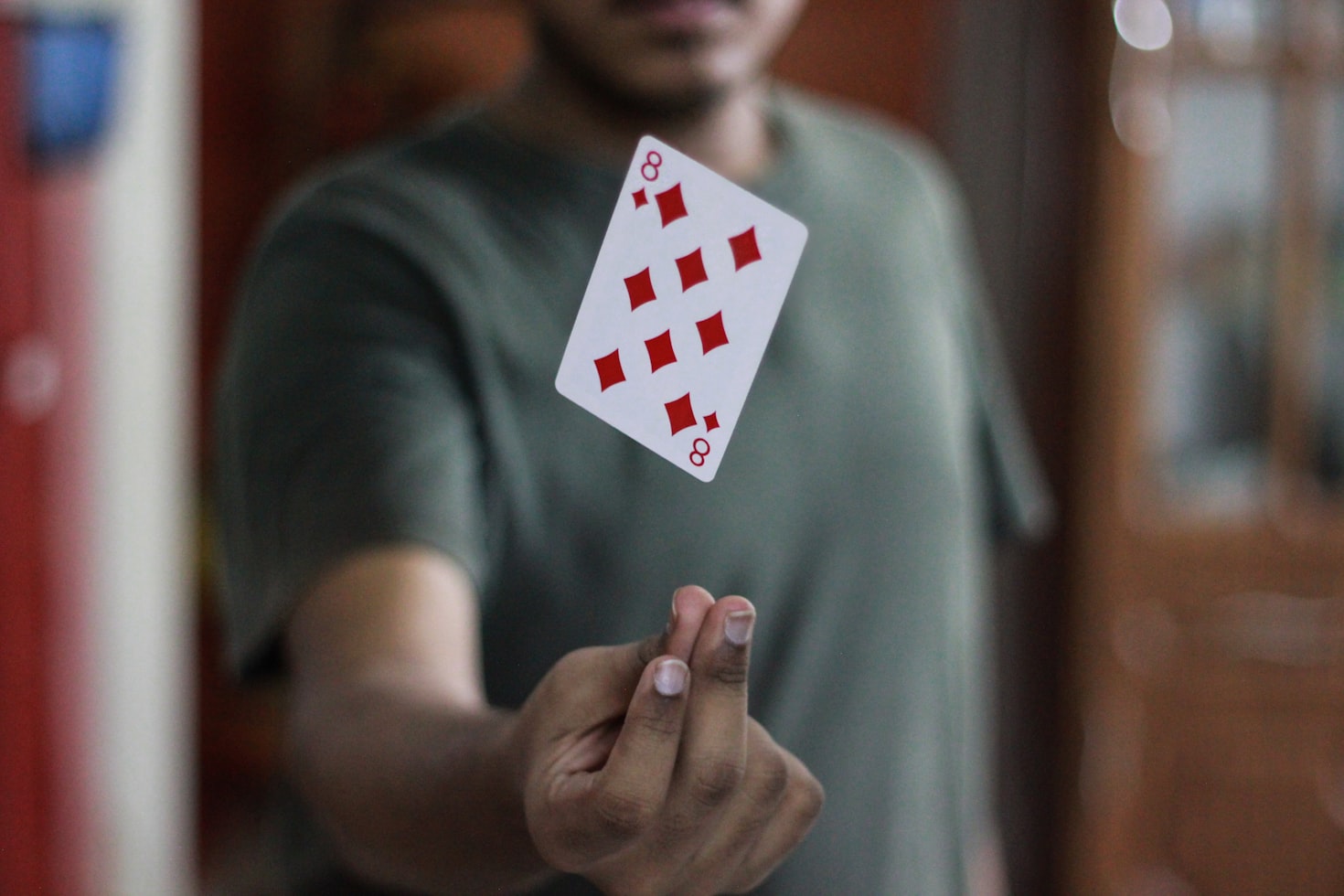
Psychologically, this allure can be attributed to the brain’s reward system. When players take risks and win, their brains release dopamine, which reinforces the behavior. This chemical reaction can create a strong association between risk-taking and pleasure, compelling players to continue seeking that high even in the face of substantial losses.
The influence of cognitive biases
Cognitive biases play a critical role in how players perceive risks in gambling. One of the most common biases is the illusion of control, where players believe they can influence the outcome of a game through their actions. This belief can lead to increased risk-taking as players feel empowered, despite the inherent randomness of games like slots or roulette.
Another significant bias is the gambler’s fallacy, which is the misconception that past events can influence future outcomes. For instance, a player may believe that a slot machine is “due” for a payout after a series of losses. Such biases can distort judgment and lead to reckless gambling behavior, as players may chase losses or increase their bets in hopes of recouping their money.
The social aspect of casino environments
The social environment of a casino can amplify risk-taking behavior among players. Gambling is often a communal experience, with individuals feeding off each other’s energy and excitement. The presence of fellow gamblers, along with the atmosphere of celebration and shared anticipation, can encourage individuals to take larger risks than they would in isolation.
This social dynamic can create a sense of belonging and shared purpose, further influencing behavior. Players might feel pressure to conform to the actions of others, leading to impulsive decisions that may not align with their usual risk tolerance. This communal environment can turn a simple game into a high-stakes venture, increasing the likelihood of significant financial risk.
The role of advertising and marketing
Casinos invest heavily in advertising and marketing to attract players and create an appealing image of gambling. The promotion of big wins, glamorous lifestyles, and the excitement of the casino experience can shape players’ perceptions of risk. These advertisements often focus on the potential for wealth and success, downplaying the associated risks and losses.
This marketing strategy can contribute to a skewed understanding of gambling, where players perceive it as an opportunity rather than a potential financial pitfall. By creating an enticing narrative around risk-taking, casinos can draw in players who are more willing to engage in gambling behavior, often without a clear understanding of the odds stacked against them.
Understanding player behavior through data
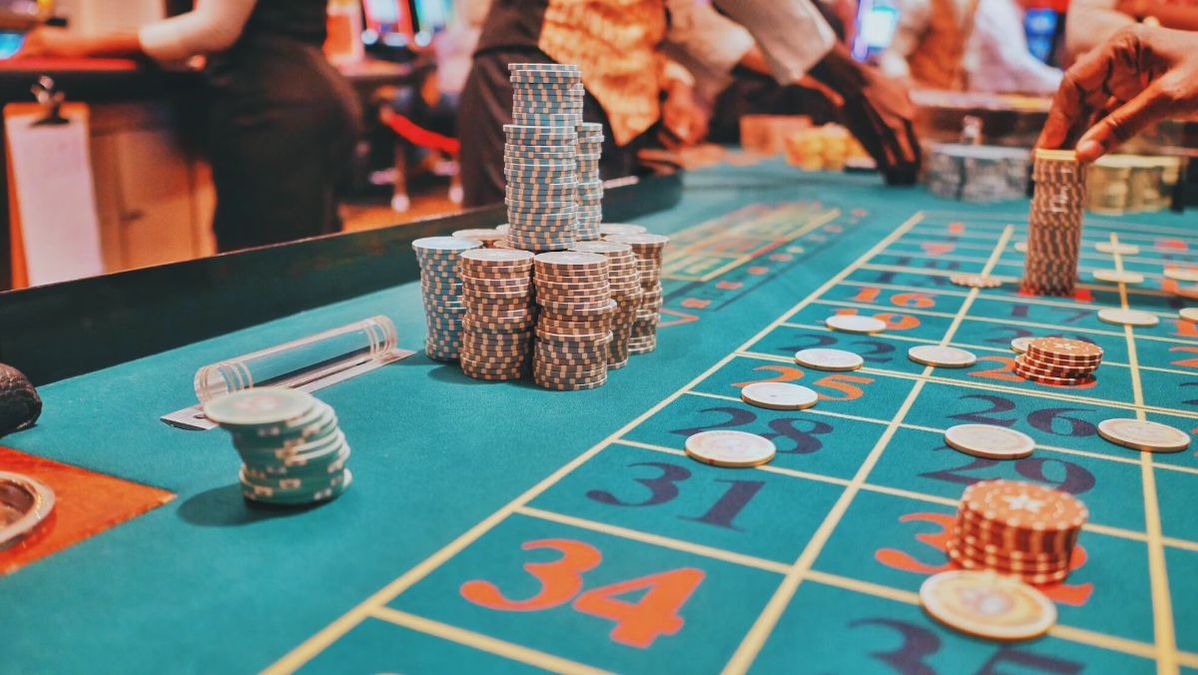
Analyzing player behavior in casinos offers valuable insights into the psychology of risk-taking. Many casinos utilize data analytics to track player habits and preferences, which can reveal trends and patterns. By understanding these behaviors, casinos can tailor their offerings to enhance player engagement and satisfaction.
Such analysis can also inform responsible gaming initiatives, helping operators identify players who may be at risk of developing gambling problems. By understanding the psychological factors that drive risk-taking behavior, casinos can implement measures to encourage safer gambling practices, ultimately benefiting both the establishment and its patrons.
Your cup will be delivered to the author. A cup of coffee is not much, but it warms and gives strength to create further. You can choose to treat a author.

A cup of coffee with PitStop for 50 rubles.

A cup of coffee with a gas station for 100 rubles.

A cup of coffee with a Cafe for 150 rubles.


